
Technical skill gets a client through the door once. Whether they come back, and whether they tell anyone about you, is decided by how the chair feels, not just how the cut looks. These are the habits that separate a barber people return to from one they tried once.
Ask before you cut, not while you are cutting
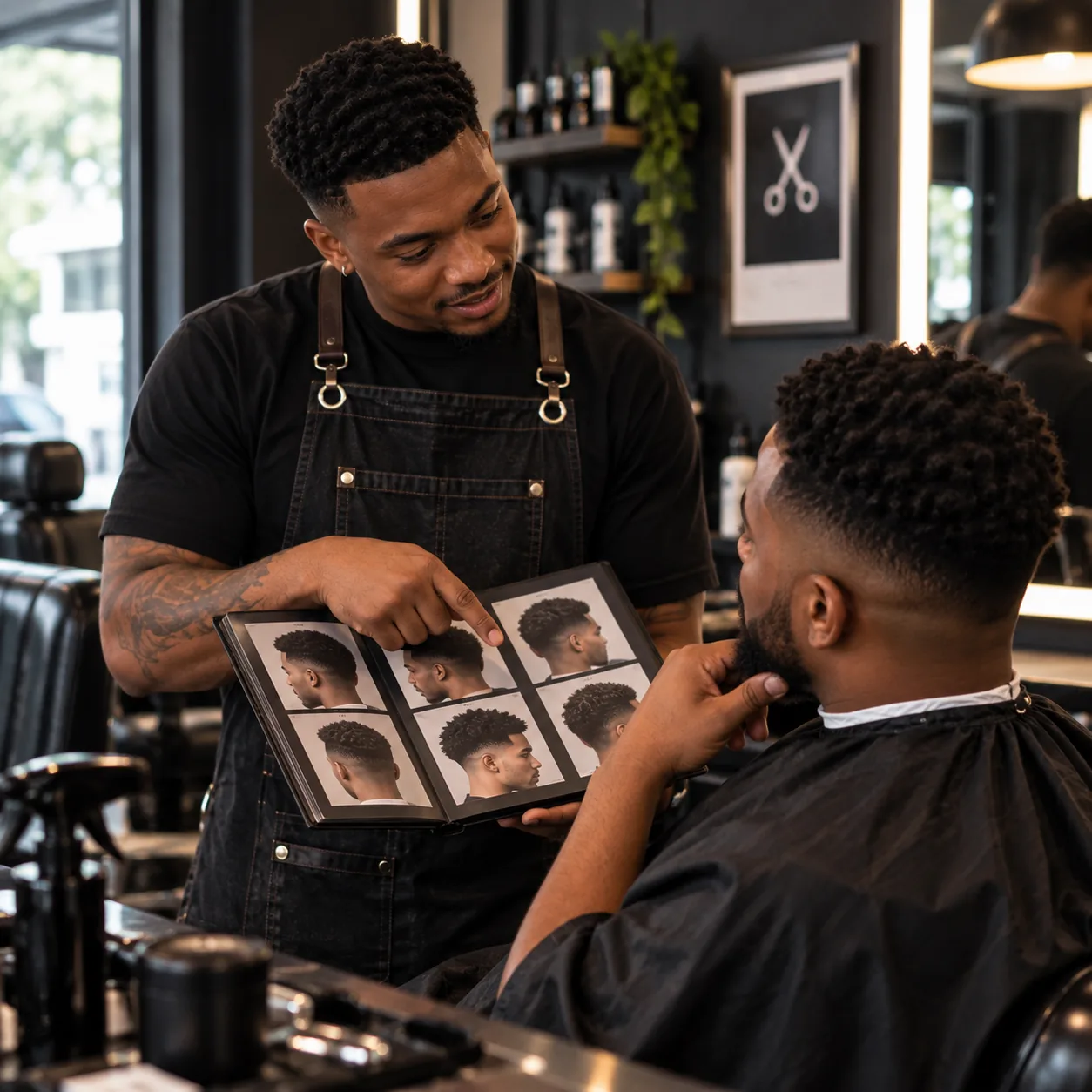
Confirming exactly what a client wants before the clipper starts, rather than "how is this looking" halfway through, prevents the single most common source of a disappointed client: a cut that is technically clean but not what they actually asked for. A thirty-second confirmation up front avoids a much longer, more awkward conversation afterwards, and it signals that you are listening rather than running a default.
Remember specifics, not just faces
Noting what a regular asked for last time, guard size, lineup style, anything they mentioned about an event or a preference, and referencing it next time is what makes a client feel like a regular rather than a repeat transaction. For a small client base this needs no formal system, just the habit of actually doing it. "Same as last time, or changing it up for the wedding you mentioned?" is the kind of line that keeps people loyal.
Say the honest thing about a request
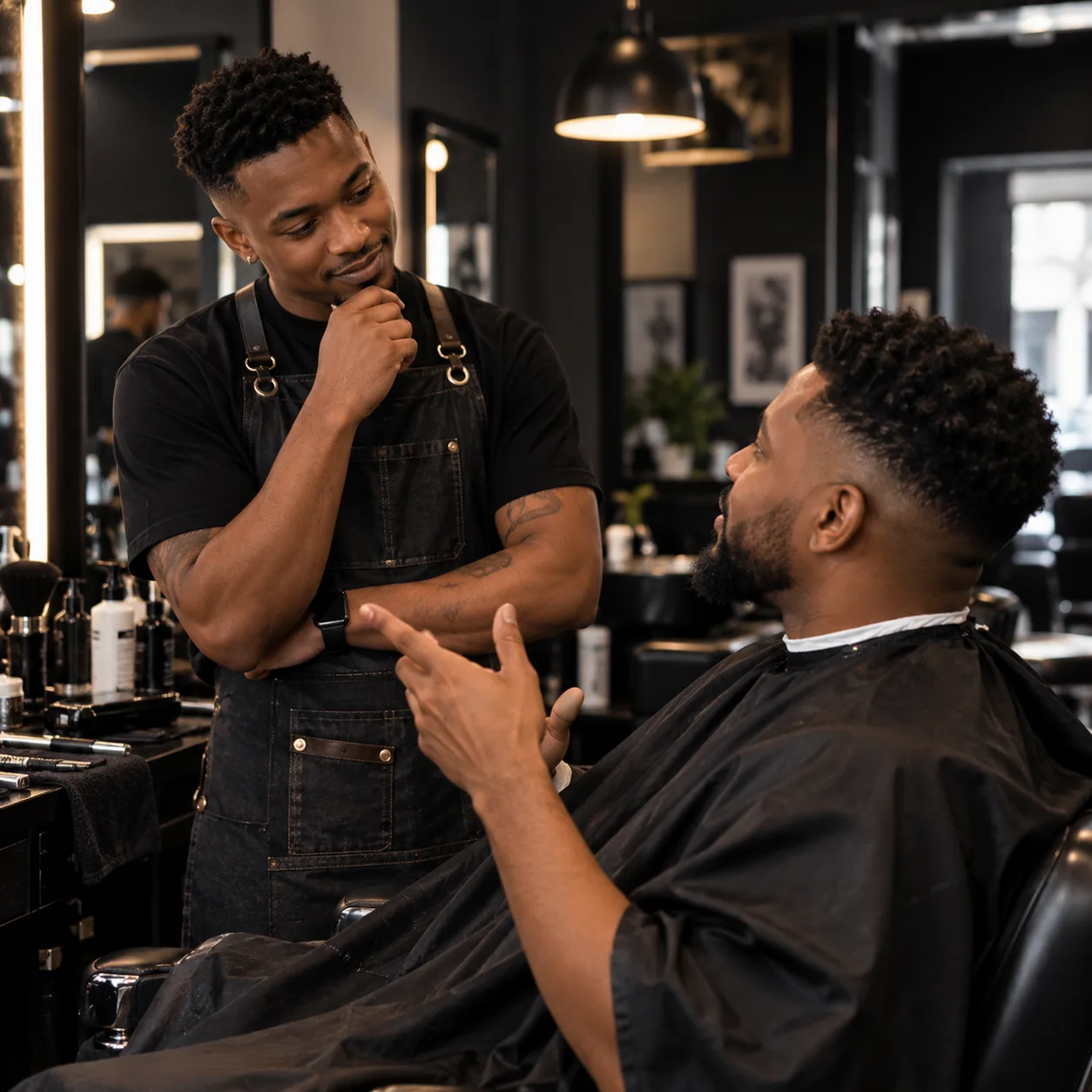
If a client asks for something that will not suit their hair type or face shape, saying so, and explaining why with an alternative, builds more trust than agreeing and delivering a result they are quietly unhappy with. Clients remember the barber who was straight with them far longer than the one who just said yes. Honesty in the chair is a loyalty tool, not a risk.
The detail most guides skip: book the next cut before they stand up
Most client relationships end at "see you next time" with no actual appointment booked, which leaves the return entirely to the client remembering and re-booking on their own. Offering to book the next cut before they leave the chair, even loosely, "same time in three weeks?", converts far more repeat visits than hoping they come back. It is the single most overlooked retention habit, and it costs nothing but the question.
Make the goodbye as good as the greeting
How a client leaves shapes what they remember. A genuine "that suits you" and a clear sense of when to return does more than a rushed handoff to the next chair. This is also the natural moment to mention that you are on the app or take bookings a certain way, so the next visit is easier to make.
Where this has a limit
None of this fixes an inconsistent cut. Conversation builds the relationship that makes a client forgive an off day once. It does not replace the technical consistency that makes them trust you with every cut after that. Both matter, and neither substitutes for the other. A warm chair with a bad fade loses clients just as surely as a great fade with a cold, transactional chair.